
We are proud to summarize another strong quarter at IDI Insurance, with growth in our customer base and an improvement in profit from insurance services (core profits), despite the moderating effect of the capital market and the rise in the interest-rate curve. In the first nine months of 2026 we posted record results, with comprehensive income of ~NIS 288 million, reflecting growth of ~5% versus the corresponding period last year.
We continue to lead the motor property line and to grow the number of policies. In addition, we recorded premium growth across all our other lines — life, health, travel and home insurance — driven by growth in the number of customers. I am pleased that IDI Insurance is delivering consistent growth and improved profitability over time, thanks to a focused strategy, attractive value propositions for customers, quality service, and the combination of professional human capital, data and advanced technological capabilities.
In parallel with continuing to strengthen our core activity, we are broadening our solution set for customers with new financial products, including a credit card with insurance-specific value propositions, which is being launched and has begun to be marketed to our customers these days, and a savings policy with the lowest management fees in the industry, and we continue to embed AI technologies that will support growth, operational efficiency and an improved customer experience.
A few weeks ago I announced my intention to step down as CEO of IDI Insurance, after more than eight years in the role. Recently, the company’s board of directors announced the appointment of Assaf Eldar as the company’s new CEO. Assaf brings extensive experience in financial retail; I welcome his appointment and believe in his ability to continue advancing the company in the next stages of its development. Until Assaf takes office, I will continue to manage the company and will ensure a good, high-quality handover to my successor.
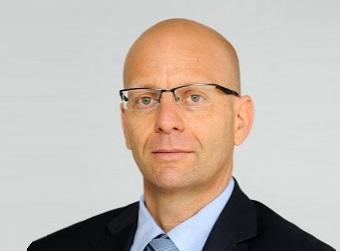 Kobi HaberCEO of IDI Insurance
Highlights of Q3 2026 (IFRS 17 terms)
- Gross premiums in Q3: Totaled ~NIS 954.3 million, vs. ~NIS 965.6 million in the corresponding quarter last year. The decline in gross premiums was affected by a decline in motor property prices (among other things due to lower risk), and on the other hand by an increase in activity across all of the company’s lines — reflected primarily in growth in the customer base and in the number of coverages per customer.
- Gross premiums — general insurance in Q3: Totaled ~NIS 771.3 million, vs. ~NIS 787.5 million in the corresponding quarter last year — a decrease of ~2%. The decline is attributable to lower policy prices in the motor property line, partly offset by growth in activity.
- Gross premiums — life insurance in Q3: Totaled ~NIS 98 million vs. ~NIS 93.8 million in the corresponding quarter last year — growth of ~4%.
- Gross premiums — health insurance in Q3: Totaled ~NIS 85 million vs. ~NIS 84.2 million in the corresponding quarter last year — growth of ~1%. The growth is, on one hand, the result of ~15% growth in critical illness and medical expenses products, and on the other, a decrease in premiums in the personal accident product, following a business decision to sell the new personal accident product at a negligible volume in the wake of the Insurance Authority’s 2021 reform of this product, which adversely affected its economic viability.
- Net investment income, including other comprehensive income (before tax), in Q3: Totaled ~NIS 42.5 million vs. ~NIS 83.6 million in the corresponding quarter last year. Of this, investment income not attributed to profit-participating policies in Q2 totaled ~NIS 38.6 million vs. ~NIS 73 million in the corresponding quarter last year.
The decline stems mainly from lower returns achieved in the capital markets in Q3. While significant price increases were recorded across most investment channels in the corresponding quarter last year, in Q3 only a moderate positive trend was recorded in the equity markets, alongside increased volatility and rising yields in the bond markets, which adversely affected the value of the company’s holdings in this channel. - Net finance expenses from insurance contracts in Q3: Were high, totaling ~NIS 51.8 million vs. ~NIS 38.8 million in the corresponding quarter last year. The increase stems from the effect of the rise in the interest-rate curve and the effect of the high CPI in the quarter on insurance assets and liabilities.
- Profit from insurance services net of operating expenses from the operating segments (excluding investment-contract expenses) in Q3: Totaled ~NIS 151.7 million vs. ~NIS 113 million in the corresponding quarter last year — growth of ~34%. Results for the corresponding quarter last year were affected by exceptional provisions for legal proceedings. Excluding this effect, profit from insurance services in Q3 declined by ~4% versus the corresponding quarter last year.
- Comprehensive income before tax — general insurance in Q3: Totaled ~NIS 102.5 million vs. ~NIS 40 million in the corresponding quarter last year. Profit in the corresponding quarter last year was affected by exceptional provisions for legal proceedings. Excluding this effect, comprehensive income in general insurance in Q3 grew by ~19% versus the corresponding quarter last year. The growth in comprehensive income stems from an increase in profit from insurance services across all general insurance lines, and came despite an increase in finance expenses from insurance contracts and a decline in investment income.
- Comprehensive loss before tax — life insurance in Q3: Totaled ~NIS 3 million, vs. comprehensive income before tax of ~NIS 40.2 million in the corresponding quarter last year. The decline stems mainly from a high and exceptional claims ratio in Q3, from finance expenses from insurance contracts compared with finance income in the corresponding quarter last year, and from an increase in investment-contract expenses in line with the growth plan in this line.
- Comprehensive income before tax — health insurance in Q3: Totaled ~NIS 11.5 million vs. ~NIS 30.6 million in the corresponding quarter last year. The decline stems from an improvement in profit from insurance services, which was offset by a significant increase in finance expenses from insurance contracts.
- Comprehensive income in Q3: Totaled ~NIS 82 million vs. ~NIS 84.7 million in the corresponding quarter last year. The decrease stems from a decline in investment income and an increase in finance expenses from insurance contracts, and came despite an increase in profit from insurance services in most lines. Results for the corresponding quarter last year included the effect of exceptional provisions for legal proceedings.
- Comprehensive income in the first nine months of the year: Totaled ~NIS 288.2 million vs. ~NIS 274.9 million in the corresponding period last year — growth of ~5%. The growth stems from an increase in profit from insurance services across all lines except life insurance, and came despite a decline in investment income and an increase in finance expenses from insurance contracts. Results for the corresponding period last year included the effect of exceptional provisions for legal proceedings.
Dividend
On November 25, 2026, the company’s board of directors approved a dividend distribution of ~NIS 60 million (~NIS 4.1 per share), which joins dividends of ~NIS 145 million distributed in May and August this year. Together, the dividends declared reflect ~71% of the profits for the first nine months of 2026, in line with the company’s capital management plan.
Solvency
Per the Insurance Authority’s requirements, the company recorded a high solvency ratio of ~135% as of June 30, 2026, after deducting dividends declared in Q3 2026.
Return on equity
In Q2, the company recorded a return on equity of ~25% on an annualized basis.
Business developments
IDI Insurance CEO Kobi Haber informed the company’s board of directors of his intention to step down in the coming months, after more than eight years in the role. Kobi Haber will conclude his tenure on a date to be agreed later between him and the chairman of the board.
On November 11, 2026, the company’s board of directors decided to appoint Assaf Eldar as CEO of the company, on a date not yet agreed between the parties. The appointment is subject to the approval of the Capital Market, Insurance and Savings Authority and to the approval of Assaf Eldar’s terms of office by the company’s general meeting.
About the company
IDI Insurance Ltd. (“IDI” / “Direct Insurance”), pioneer of direct insurance in Israel, has been operating for over 30 years and is the largest and leading company in its field. The company is held ~40.6% by Direct Insurance — Financial Investments and the controlling shareholders, with the majority held by the public. The company operates on a differential pricing model that scores each consumer based on their individual data. This advantage — combined with advanced technology infrastructure and operational efficiency — allows the company to offer competitive prices and high service quality. The company offers a wide range of insurance services including auto, home, health, travel, mortgage insurance, savings policies, small business and life insurance.
